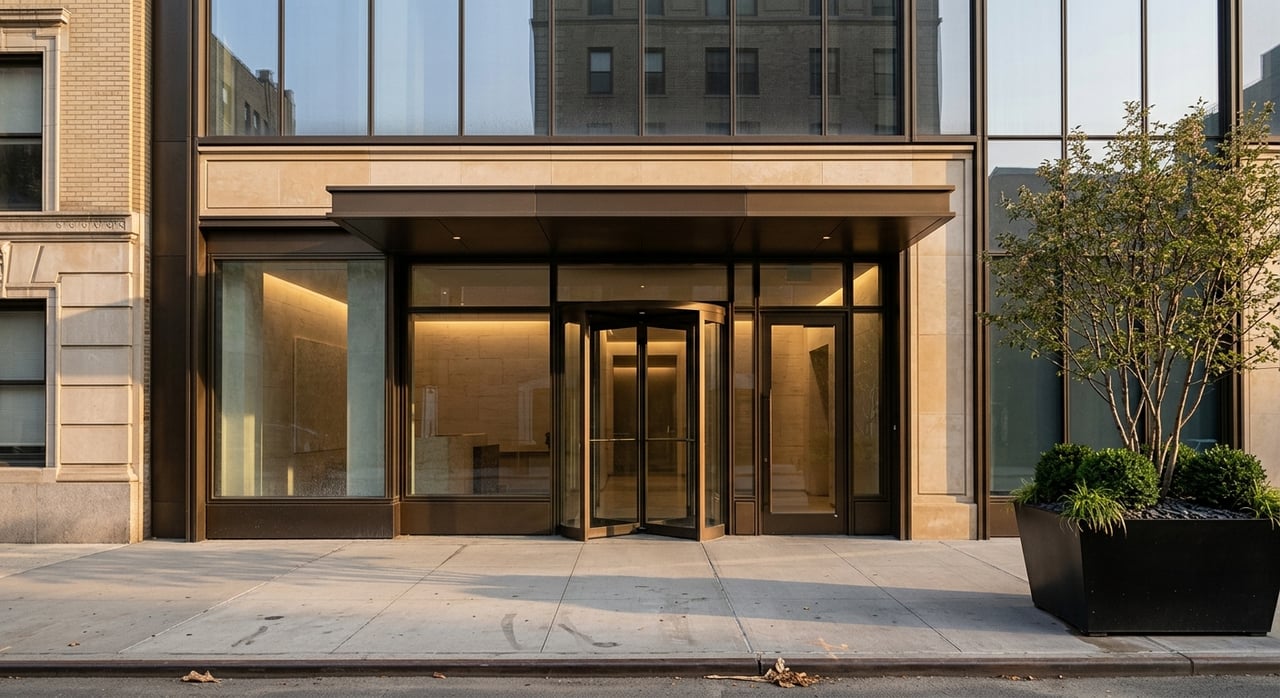
If you are considering Midtown East for a full-time home or a New York base, the right question is not simply whether the neighborhood fits. It is which version of Midtown East fits your life. This part of Manhattan can offer unmatched transit access, polished service, and a strong lock-and-leave lifestyle, but it can also feel very different from one corridor to the next. This guide will help you think clearly about where the area works best, what building type to prioritize, and how to choose with confidence. Let’s dive in.
Midtown East Is Not One Experience
Midtown East is often talked about as if it were one neighborhood, but in practice it behaves more like several distinct micro-areas. StreetEasy uses a broad definition that includes places like Murray Hill, Kips Bay, Sutton Place, and Turtle Bay, while East Midtown itself is centered around the Grand Central area.
That distinction matters when you are buying for daily life. The blocks near Grand Central, Park Avenue, and Lexington Avenue tend to feel more commercial and transit-driven. By contrast, the East River side and parts of Sutton Place and Turtle Bay often feel more residential in rhythm, scale, and outlook.
The Department of City Planning describes East Midtown as a major business district and job center with roughly 70 million square feet of office space and about 200,000 workers. That office-first identity still shapes the feel of the area, even as luxury housing and newer residential product continue to attract buyers.
Why Buyers Choose Midtown East
For the right buyer, Midtown East solves a very specific lifestyle equation. You get direct access to one of the city’s most important transit hubs, a large inventory of apartments, and many buildings with strong service and convenience.
Grand Central is a major transportation hub connecting Metro-North, the Long Island Rail Road, subways, and buses. The practical value is obvious if you commute regularly, split time between the city and suburbs, or want easy regional access without relying on a car.
That same convenience also supports pied-à-terre ownership. If your goal is a polished, low-friction Manhattan base that lets you arrive, settle in quickly, and move easily through the city, Midtown East can be a very efficient choice.
What Full-Time Living Feels Like
A primary residence in Midtown East tends to work best when convenience is central to how you live. If you use trains or subways often, the neighborhood can make daily life much easier. You may give up some of the slower, more purely residential feeling found in other parts of Manhattan, but you gain speed, access, and service.
The tradeoff is the weekday rhythm. The area around Grand Central is busy, fast-moving, and shaped by office traffic. For some buyers, that energy feels efficient and exciting. For others, it can feel too commercial for everyday living.
If you want Midtown East as a primary home, the more residential edges of the neighborhood may feel more balanced. Buildings near the East River, Sutton Place, or Turtle Bay can soften the intensity while still keeping you close to transit and core Midtown destinations.
Best fit for a primary residence
A full-time home in Midtown East may suit you if you value:
- Fast access to Grand Central and multiple transit lines
- Full-service buildings with doormen or concierge support
- A location that makes commuting simple
- A practical Manhattan lifestyle with easy regional connections
- Residential pockets that still feel close to the center of the city
Why Midtown East Works for a Pied-à-Terre
Midtown East is also a logical pied-à-terre market, especially if you want a true arrival-and-go lifestyle. You can come into the city by rail, move quickly from station to apartment, and enjoy a building that supports part-time occupancy with ease.
This is where building structure becomes critical. In New York, a condo and a co-op are not interchangeable. The New York State Attorney General explains that condo owners own the unit itself plus an interest in the common elements, while co-op buyers purchase shares in a corporation and receive a proprietary lease for the apartment.
That legal difference often shapes the ownership experience. For pied-à-terre buyers, condos are generally the cleaner fit because they are more likely to allow secondary-home use and more flexible subletting. Co-ops can still work, but they often come with stricter board approval and more demanding rules.
Best fit for a pied-à-terre
A Midtown East pied-à-terre may be a strong fit if you want:
- Easy access to Grand Central and major subway lines
- A lock-and-leave apartment with strong building services
- A condo structure that supports flexible ownership
- Concierge-driven convenience for part-time use
- A polished Manhattan base near business, dining, and cultural destinations
Condo vs. Co-op in Midtown East
In Midtown East, the condo versus co-op decision is often one of the most important filters in your search. It affects not only price, but also flexibility, process, and how easily the apartment supports your intended use.
StreetEasy’s current data shows a clear pricing gap between the two. One-bedroom condos carry a median asking price of $899,000, compared with $649,500 for one-bedroom co-ops. For two-bedrooms, condos are at a median $1.795 million versus $1.175 million for co-ops.
That pricing difference reflects more than finishes. Condos often offer newer construction, broader amenity packages, and more flexible ownership rules. Co-ops may offer better value on paper, but the building rules and approval process require closer scrutiny.
| Ownership Type | Typical Advantage | Typical Tradeoff |
|---|---|---|
| Condo | More flexibility for pied-à-terre use and subletting | Higher purchase price and usually higher closing costs |
| Co-op | Lower entry price for comparable size | Stricter board approval and less flexibility |
For a primary resident, either structure may work well depending on the building and your priorities. For a pied-à-terre buyer, the path is often more straightforward with a condo.
What Amenities to Expect
Midtown East has a wide range of inventory, from older service-oriented co-ops to high-amenity condo towers and new development. StreetEasy’s current snapshot shows 1,084 listings for sale, 719 for rent, and 92 new developments, which gives buyers a broad field of options.
In newer condos, amenity expectations tend to be high. Buildings in the area commonly emphasize concierge service, fitness and wellness, lounge spaces, pools, terraces, and common areas designed around views or outdoor access. This is especially relevant if you are comparing Midtown East to neighborhoods where inventory skews older or more boutique.
Older co-ops can still offer excellent service, often with full-time staff and classic layouts, but many were not built around today’s deeper amenity packages. In practical terms, buyers are often weighing lower price points and more traditional apartments against newer buildings with stronger lifestyle programming and more flexibility.
Amenity priorities to think about
Before you focus on finishes alone, consider how you will actually use the building. Ask yourself:
- Do you want a gym, pool, spa, or wellness spaces in-house?
- Does a full-time doorman or concierge matter to your routine?
- Will outdoor common space improve your daily life?
- Are you looking for a lock-and-leave building with minimal friction?
- Do you prefer classic layouts over newer amenity-driven design?
Match the Area to Your Lifestyle
One of the biggest mistakes buyers make in Midtown East is treating the neighborhood as one lifestyle category. In reality, the Grand Central corridor, the UN and First Avenue edge, and the Sutton Place and East River side can feel very different.
If you want the fastest commute and maximum transit convenience, the blocks closest to Grand Central may make the most sense. If you want a calmer setting and are willing to shift slightly east, river-adjacent buildings may offer a softer, more residential experience.
This is where a building-by-building approach matters. The right apartment in the wrong pocket can still feel misaligned. The right building in the right micro-location can make Midtown East feel highly tailored, whether you live there full time or use it as a city retreat.
Do Your Due Diligence Carefully
In Midtown East, due diligence should go well beyond the listing photos. The New York State Attorney General advises buyers to treat the offering plan as a core document, especially in new development and conversion buildings.
That matters because amenities or features shown in marketing are not necessarily required unless they are specifically promised in the offering plan. If a building is central to your decision, confirm the details in the formal documents rather than relying on renderings or sales language.
For existing buildings, the Attorney General also recommends reviewing board minutes and financial reports and paying close attention to major building systems. That includes the façade, roof, elevators, HVAC, windows, electrical systems, and plumbing. In a neighborhood with a mix of older stock and newer towers, this step is essential.
Midtown East buyer checklist
As you compare options, keep these questions in front of you:
- Is this area of Midtown East right for my day-to-day lifestyle?
- Am I buying for full-time use, part-time use, or both?
- Does the ownership structure support that use clearly?
- Are the amenities actually important to how I live?
- Have I reviewed the building’s financials and key documents carefully?
- Am I choosing based on the building, not just the neighborhood label?
The Bottom Line on Midtown East
Midtown East can be an excellent choice for either a primary residence or a pied-à-terre, but usually for different reasons. For full-time living, it works best for buyers who value direct transit access and are comfortable with an office-district rhythm, especially if they focus on the area’s more residential edges. For pied-à-terre ownership, it often shines when paired with a condo building that offers flexibility, service, and an easy return-to-New-York experience.
The real opportunity is in making a precise match. In a neighborhood this varied, the best outcome comes from aligning the building, ownership structure, and micro-location with the life you actually want to live. If you are weighing Midtown East through both a practical and lifestyle lens, Christina DiStefano offers discreet, design-aware guidance to help you choose with clarity.
FAQs
Is Midtown East a good place for a primary residence in Manhattan?
- Yes, Midtown East can work well as a primary residence if you value fast transit access, full-service buildings, and a central location, especially in its more residential pockets near the East River, Sutton Place, or Turtle Bay.
Is Midtown East a smart neighborhood for a pied-à-terre in New York City?
- Midtown East is often a strong pied-à-terre choice because of its access to Grand Central and major subway lines, but the building’s ownership structure and rules are key to making that use practical.
What is the difference between a condo and co-op in Midtown East?
- In Midtown East, a condo gives you ownership of the unit itself, while a co-op means you buy shares in a corporation and receive a proprietary lease, which often comes with stricter approval and usage rules.
Are condos better than co-ops for a Midtown East pied-à-terre?
- Condos are generally more flexible for pied-à-terre use and subletting in Midtown East, while co-ops often have stricter board approval processes and tighter occupancy rules.
What part of Midtown East feels most residential for buyers?
- In broad terms, the East River side and areas such as Sutton Place and Turtle Bay often feel more residential than the blocks closest to Grand Central, Park Avenue, and Lexington Avenue.
What should buyers review before purchasing in a Midtown East building?
- Buyers should review offering plans for new development, along with board minutes, financial reports, and the condition of major building systems such as elevators, roof, façade, windows, HVAC, plumbing, and electrical systems for existing buildings.
