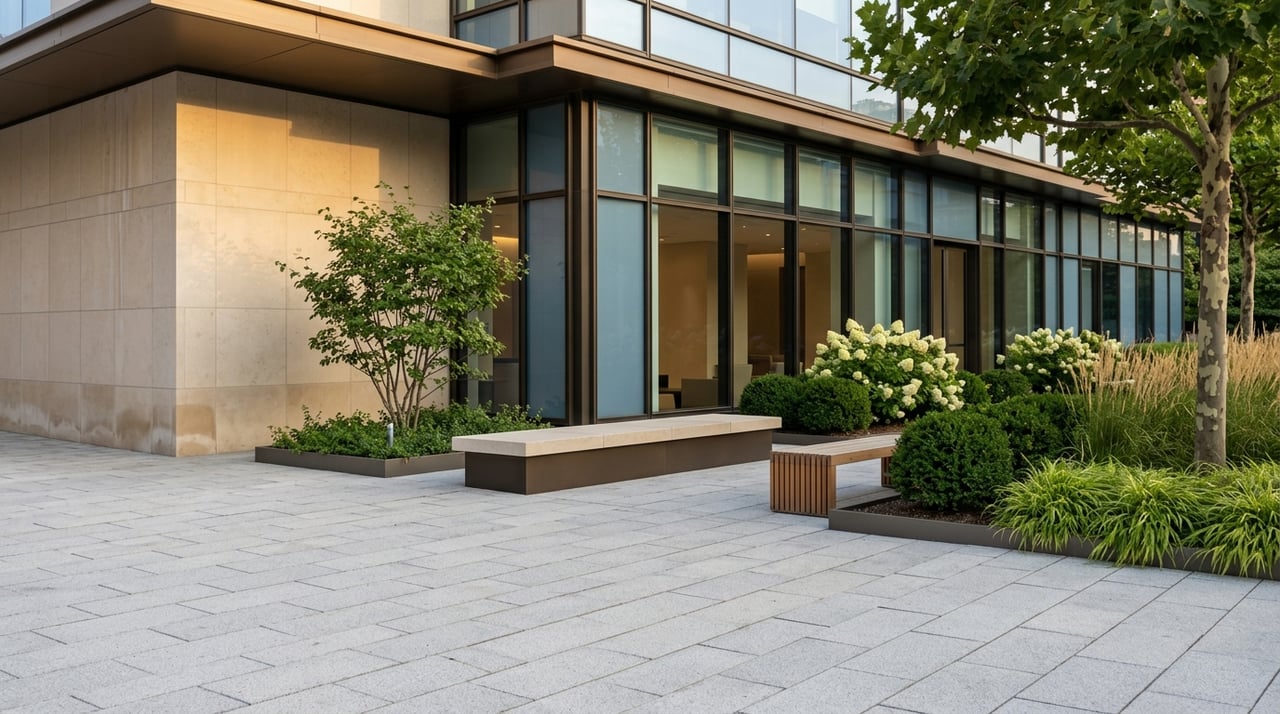
If you are considering a move to Battery Park City, the biggest question usually is not just what the towers look like. It is what life actually feels like once the novelty wears off and your home becomes part of your routine. In this waterfront pocket of Lower Manhattan, the answer is shaped by parks, river views, walkable errands, and a neighborhood plan that was built for daily living. Let’s dive in.
A Residential Neighborhood by Design
Battery Park City is not simply a cluster of high-rise buildings along the water. It is a planned 92-acre mixed-use community on Manhattan’s Lower West Side, with more than 16,000 residents across 30 residential buildings, including 12 rentals and 18 condominiums.
That scale matters if you are thinking about everyday life rather than a postcard view. A neighborhood with permanent residents, civic space, retail, and parks tends to support real routines. You are not stepping into an isolated tower environment. You are entering a district designed to function as a neighborhood.
The planning framework also helps explain why Battery Park City often feels more composed than other parts of Manhattan. Its balance of residential, commercial, retail, park, and civic uses creates a setting where the public realm plays a large role in how the area feels day to day.
Waterfront Living Starts Outside
For many residents, the Esplanade is the defining feature of daily life. It runs the full length of Battery Park City along the Hudson River, from Stuyvesant High School at the north end to Historic Battery Park at the south, with open views toward the Hudson, New York Harbor, the Statue of Liberty, Ellis Island, and the New Jersey shoreline.
That kind of access changes how a neighborhood functions. A quick walk, a longer run, a quiet morning coffee, or a pause at sunset can all happen just outside your building. In a city where outdoor space often feels limited, this continuous waterfront edge becomes part of your routine rather than a special occasion destination.
Battery Park City also includes 36 acres of open public space that are maintained year-round. This is an important distinction for buyers who care about consistency. The neighborhood’s parks are not seasonal amenities that look good in photos. They are part of an actively managed environment meant to support everyday use.
Parks Add Rhythm to the Week
Rockefeller Park is a good example of how this open-space network supports daily life. It includes wide lawns, a playground, gardens, public art, and a sheltered pavilion, which gives the area a practical and social function across different seasons.
The neighborhood also includes multiple dog runs, including the North End Avenue Island Dog Run and the West Thames Street Dog Run. If you have a dog, this can make the difference between a convenient daily routine and one that feels more complicated than it needs to be.
Seasonal and recurring programming adds another layer. Events such as Strings-on-Hudson, along with activities at Irish Hunger Memorial Plaza, help create a steady neighborhood rhythm that goes beyond private building amenities.
Daily Convenience Feels Close at Hand
One of the clearest advantages of living in Battery Park City waterfront towers is how easily indoor and outdoor life connect. You can step out for a river walk, run errands nearby, and return home without feeling pulled into constant Midtown-style intensity.
Brookfield Place is the area’s main indoor anchor for daily life. According to its official site, it offers more than 40 shops and services, more than a dozen fast-casual food options, seven restaurants, and arts programming.
In practical terms, this gives the neighborhood a strong sense of convenience. Whether you need a quick lunch, a service appointment, or a place to spend part of a rainy afternoon, you have options within easy reach.
For buyers comparing Lower Manhattan neighborhoods, this matters. Some areas offer strong residential buildings but ask you to leave the neighborhood for everyday needs. Battery Park City tends to work differently, with a more integrated pattern of errands, dining, and public space.
Culture Is Part of the Landscape
Battery Park City also has a civic and cultural presence that adds depth to everyday living. This is not a neighborhood where public art feels like an afterthought or a decorative extra. It is treated as a core part of the place itself.
The area is home to a significant public-art collection, along with memorials and installations along the waterfront. Representative sites include the Irish Hunger Memorial and the 9/11 Memorial at South Cove.
These places shape the atmosphere of the neighborhood in a quiet but meaningful way. They add reflection, texture, and a sense of place that goes beyond private amenities and views.
Cultural Stops Within the Neighborhood
Battery Park City also offers notable cultural destinations within its footprint. Poets House at 10 River Terrace is a 60,000-volume poetry library and literary center. The Museum of Jewish Heritage sits on the waterfront at 36 Battery Place, and the Skyscraper Museum is located at 39 Battery Place.
For residents, this means culture can be part of ordinary life rather than something you plan far in advance. You can live in a high-amenity tower and still feel connected to institutions and public spaces that give the neighborhood intellectual and civic character.
Transit Supports a Car-Light Routine
A waterfront setting can sometimes feel tucked away, but Battery Park City is well connected. The neighborhood is served by multiple subway lines, the M9, M20, and M22 buses, the free Downtown Connection bus, ferries, and a pedestrian tunnel that links the World Trade Center PATH station to Brookfield Place’s Winter Garden.
Battery Park City also has direct New York Waterway service from Hoboken and Jersey City, along with access from the Staten Island Ferry terminal. For many residents, that means multiple ways to move through the city or connect to nearby regions without relying on a car.
This transit mix supports one of the area’s most appealing lifestyle qualities. You can enjoy a quieter, park-forward residential setting while still staying connected to the larger pace of New York.
What Waterfront Tower Life Actually Feels Like
The appeal of Battery Park City waterfront towers is often less about spectacle and more about consistency. You are not choosing the neighborhood only for a dramatic skyline moment. You are choosing it for the quality of ordinary days.
That may look like a morning walk on the Esplanade, an easy stop at Brookfield Place, an evening in the park, or a weekend visit to one of the neighborhood’s cultural institutions. Over time, those habits can matter more than a long list of building features.
For design-minded buyers, this kind of environment often holds lasting value. A home feels different when the surrounding neighborhood supports calm, convenience, and a stronger sense of spatial balance.
What Buyers Should Keep in Mind
Battery Park City is a waterfront neighborhood, and resiliency is part of the lived experience. The Battery Park City Authority is advancing multiple Lower Manhattan Coastal Resiliency projects intended to protect the area against storm surge and sea-level rise.
For buyers, the practical takeaway is simple. Ongoing resiliency work can bring phased construction and temporary access changes along parts of the waterfront. It is wise to understand how that may affect your day-to-day experience as you evaluate a specific building or stretch of the neighborhood.
That does not cancel out the neighborhood’s appeal. It simply means that informed buyers should view Battery Park City as a carefully managed waterfront district where long-term stewardship is part of the story.
Why Battery Park City Stands Out
In a city full of impressive towers, Battery Park City stands apart because of how intentionally residential it feels. The neighborhood combines water, open space, cultural touchpoints, convenience, and transit in a way that supports both privacy and movement.
If you are looking at waterfront towers in 10282, it helps to think beyond finishes and amenities. The real value may be in how the neighborhood carries you through the week with a little more ease, a little more space, and a stronger sense of rhythm.
If you want a thoughtful, design-aware perspective on Battery Park City and how a specific building fits your lifestyle goals, Christina DiStefano offers discreet advisory tailored to the way you want to live.
FAQs
What is everyday life like in Battery Park City waterfront towers?
- Everyday life in Battery Park City often centers on the Esplanade, nearby parks, walkable errands, cultural spaces, and easy transit connections.
What outdoor spaces are available in Battery Park City?
- Battery Park City includes the full-length Hudson River Esplanade and 36 acres of open public space, along with parks, lawns, playgrounds, gardens, and dog runs.
What makes Battery Park City feel residential?
- Battery Park City was planned as a mixed-use community with residential, commercial, retail, park, and civic uses, which helps create a more neighborhood-oriented daily experience.
What shopping and dining options are near Battery Park City towers?
- Brookfield Place is the main nearby indoor hub, with more than 40 shops and services, more than a dozen fast-casual food options, seven restaurants, and arts programming.
What transit options serve Battery Park City?
- The neighborhood is served by multiple subway lines, the M9, M20, and M22 buses, the free Downtown Connection bus, ferries, and a pedestrian connection to the World Trade Center PATH station through Brookfield Place.
What should buyers know about Battery Park City’s waterfront location?
- Buyers should know that resiliency projects are part of the area’s long-term planning, and these efforts can sometimes involve phased construction and temporary access changes along the waterfront.
