What if your week felt calmer the moment you turned onto your block? On the Upper West Side, daily life often finds a steady rhythm: a quick loop through the park, a quiet coffee on a tree‑lined street, and errands within a few minutes’ walk. If you are weighing a move here, you want to know how the neighborhood supports that ease day after day. This guide shows you where the calm comes from, how different homes fit long‑term routines, and what to plan for as a buyer or renter. Let’s dive in.
Why the Upper West Side feels grounded
The neighborhood sits between Central Park and the Hudson River, from West 59th Street to West 110th Street, largely within Manhattan Community District 7. You can confirm those commonly used boundaries through the community board’s overview on NYC.gov. The setting delivers a rare mix of legacy streetscapes, big green space, and cultural anchors that shorten your list of daily frictions.
The Upper West Side is also a sizable, well‑resourced community. The Furman Center neighborhood profile reports a large population, a median household income around 150k to 155k in recent years, and a homeownership rate in the mid‑30 percent range. That mix tells you to expect both long‑time owners and many renters, which lends continuity and neighborhood memory.
Housing that supports routine
A key reason people nest here is the variety of buildings that fit different lifestyles. You can choose classic scale and storage, or go modern and amenity‑rich.
Prewar co‑ops and brownstones
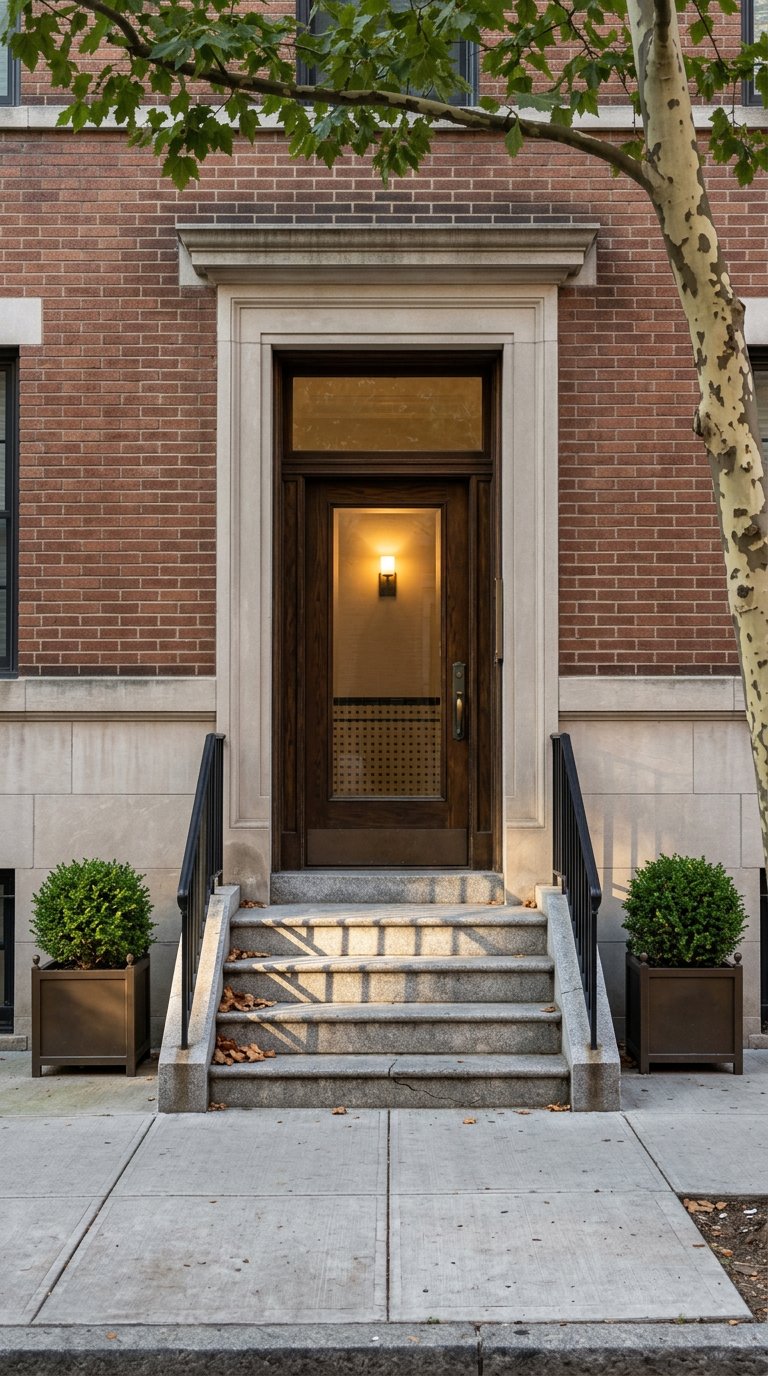
Side streets off Central Park West, Columbus, Amsterdam, Broadway, and West End Avenue are lined with prewar co‑ops and landmarked brownstones. Many layouts include formal living and dining rooms, generous foyers, and well‑separated bedrooms. That room‑by‑room planning helps you set routines for dining, homework, work‑from‑home, and quiet evenings without living on top of each other.
Newer condos and waterfront towers
Around Columbus Circle and along Riverside Boulevard, newer condo buildings offer central air, gyms, playrooms, package rooms, and modern systems. If you want convenience, straightforward rules, and less renovation, these buildings can reduce your lift. Newer inventory can be limited in some pockets, so timing and flexibility help.
A market of both owners and renters
The Upper West Side remains a blend of co‑ops, condos, and rentals. Many long‑term residents live in co‑ops, while newer buyers often choose condos for resale and rental flexibility. That mix supports stability while still giving you options to move in quickly.
Daily rhythms that create an exhale
You have two signature parks, major cultural institutions, and everyday services within a short walk. The result is a neighborhood where your calendar and commutes feel lighter.
Parks on both sides
- Central Park borders the neighborhood’s east side, with the Reservoir loop, lawns, and many playgrounds. It is an easy backdrop for morning runs, stroller time, and weekend picnics. Read more about the park’s features on Wikipedia’s Central Park page.
- Riverside Park lines the Hudson, with promenades, ballfields, and community events across a long stretch of waterfront. Explore current programming via the Riverside Park Conservancy events calendar. Many residents run in Central Park at sunrise and wind down with an evening walk by the river.
Culture within minutes
Lincoln Center anchors performing arts and education in the south end of the neighborhood. You can check schedules and programs at Lincoln Center. The American Museum of Natural History near 79th Street and Central Park West adds a steady stream of exhibits and school‑friendly programming.
Transit without a car
The Upper West Side scores very high on walkability and transit. Subway service runs along Broadway and Central Park West, and crosstown buses like the M79 and M86 connect the avenues. Walk Score labels the area a Walker’s Paradise with excellent transit; see a representative location on Walk Score. For many households, that means no daily car dependence.
Schools and family services
The neighborhood sits within NYC Community School District 3, which includes a mix of public and private options and has been part of citywide conversations about admissions policy. For context on that discussion, see this District 3 coverage on West Side Rag. Families often plan ahead for application timelines and program availability.
Healthcare and essentials
Mount Sinai West is nearby for hospital care, and the neighborhood includes many outpatient clinics and pediatric practices. Mount Sinai also announced an expanded Upper West Side health program, noted in this Mount Sinai news release. Daily life is supported by a strong retail fabric, including specialty grocers and independent shops, so errands stay simple.
Public safety context
The Upper West Side is primarily covered by the NYPD 20th Precinct (south of 86th Street) and the 24th Precinct (north of 86th Street). You can review current CompStat data on the 20th Precinct page. As always, conditions vary block by block and change over time.
What to expect on prices and rents
Market trackers often place the neighborhood’s median sale price in the 1.2M to 1.4M range. For example, Redfin reported about 1.395M in January 2026, while StreetEasy has cited values near 1.2M depending on segment and time period. Rents are higher than citywide averages; the Furman Center profile shows median rents for smaller units in the low to mid 3k range. Always anchor decisions to current, building‑specific comparables.
Co‑op or condo for long‑term ease
Both paths can support a calm routine. The difference is in process, flexibility, and monthly math.
- Co‑ops: One monthly maintenance payment often includes building taxes, heat, hot water, and some services. Expect a board package, an interview, and conservative underwriting. Many buildings ask for 20 to 30 percent down as a baseline, and timelines can run longer due to approvals. In return, you often get larger prewar rooms, a stable community, and predictable monthly obligations.
- Condos: You will receive a separate property tax bill plus common charges. Purchases typically close faster with fewer subjective approvals, and buildings often include modern amenities and mechanicals. Condos can be simpler if you value flexibility for future resale or renting the unit.
Block‑by‑block feel and where to look
- Quieter, more residential edges: Central Park West, Riverside Drive, West End Avenue, and the towers on Riverside Boulevard often feel more serene and can command premiums for views and green frontage.
- Closer to the bustle: Broadway, Columbus, and Amsterdam are active commercial corridors with shops, dining, schools, and services. Side streets off these avenues can deliver a calmer feel while keeping you close to conveniences.
Choose based on your daily rhythm. If you want quiet mornings and a park view, focus on park‑facing or riverfront blocks. If you prefer being steps from errands and cafes, look one block off Broadway.
Budgeting for comfort
For co‑ops, review what the monthly maintenance covers and whether there are upcoming assessments for façade, roof, or mechanical work. For condos, add up common charges plus real estate taxes, and ask about any planned capital projects. In both cases, consider storage, stroller access, bike rooms, laundry options, and package handling. Those small details shape ease more than you think.
Timelines, renovations, and inventory
Co‑op approvals add time, so set expectations for board review and closing windows. Prewar units can need mechanical or window upgrades, while newer condos tend to be move‑in ready but may trade space for convenience at entry price points. Inventory for move‑in‑ready two and three bedrooms near parks can be tight, which is why patience and preparation help.
A simple day, well supported
- Morning: run the Reservoir or take a quiet loop on the Riverside promenade.
- Midday: errands at a local grocer, a coffee on a sunlit side street, and school pickup without a crosstown drive.
- Evening: a quick performance at Lincoln Center or a relaxed river walk.
That is the Upper West Side at its best: connected, breathable, and steady.
How we help you live with ease
If you value a home that supports identity, wellness, and routine, you need more than square footage. You need alignment. Using a design‑led advisory approach and the Emotional ROI Method, we translate layout, light, condition, and building culture into daily comfort and long‑term value. From prewar co‑ops to modern condos, we help you weigh tradeoffs, read building financials, and position your offer with confidence.
Ready to explore options that fit your version of ease on the Upper West Side? Connect with Christina DiStefano to request a private consultation.
FAQs
What are the Upper West Side boundaries in Manhattan?
- Commonly used edges are Central Park to the east, the Hudson River to the west, West 59th Street to the south, and West 110th Street to the north, largely within Manhattan Community District 7. See the community board’s overview on NYC.gov.
What is the typical home price on the Upper West Side in 2026?
- Market trackers often show a median sale price in the 1.2M to 1.4M range. Redfin reported about 1.395M in Jan 2026, while StreetEasy has cited figures near 1.2M depending on the time period and product segment.
Which parks can I access quickly on the Upper West Side?
- You have both Central Park on the east and Riverside Park on the west. Learn more about features via Central Park’s overview and see community programming through the Riverside Park Conservancy calendar.
How is public transit and walkability on the Upper West Side?
- The area is a Walker’s Paradise with excellent subway and crosstown bus access, supporting a car‑free lifestyle for many residents. See a representative location on Walk Score.
How do co‑op and condo costs differ on the Upper West Side?
- Co‑op maintenance often bundles items like building taxes, heat, and hot water into one payment, while condos separate property taxes from monthly common charges. Review each building’s financials, recent minutes, and any upcoming assessments.
Is the Upper West Side safe?
- Safety varies by block and changes over time, but residents track precinct‑level data through NYPD CompStat. The neighborhood is covered by the 20th and 24th Precincts; review current data on the 20th Precinct page.
Which school district serves the Upper West Side?
- The neighborhood is within NYC Community School District 3. For context on recent policy conversations, see District 3 coverage on West Side Rag. Always check current DOE guidelines and timelines.
