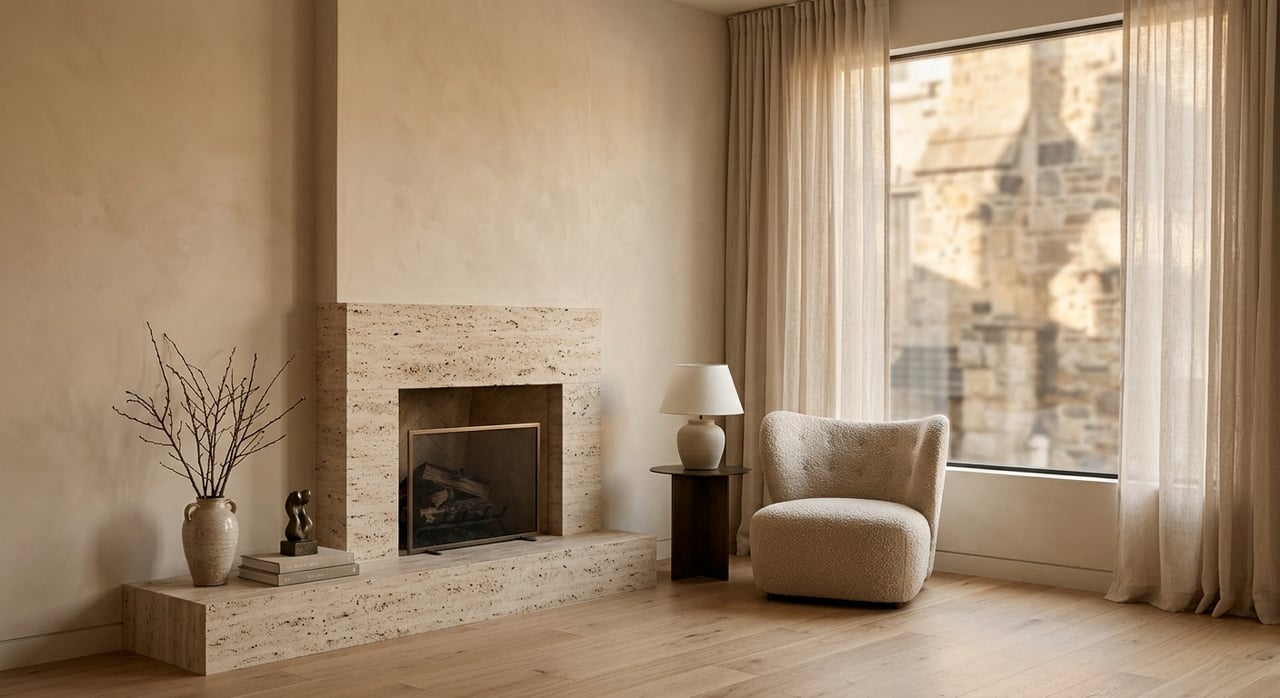
Selling on the Upper West Side is rarely just about square footage. In a neighborhood shaped by preserved streetscapes, park access, cultural institutions, and a wide mix of building types, buyers are often responding to something deeper: how a home makes daily life feel. If you want to elevate your sale, Emotional ROI can help you position your property in a way that feels grounded, credible, and compelling. Let’s dive in.
What Emotional ROI Means
Emotional ROI is the value buyers feel before they calculate the numbers. It is the sense that a home supports the life they want to live, from a calm morning routine to an easy walk to the park or a dinner that feels naturally hosted in the right room.
For Upper West Side sellers, that matters because the neighborhood already carries a strong identity. The area combines proximity to Central Park and Riverside Park, access to cultural destinations like Lincoln Center and the American Museum of Natural History, and a built environment that ranges from townhouses to larger residential towers and apartment buildings. According to the NYU Furman Center neighborhood profile, the Upper West Side is also highly walkable and transit-oriented, with an 88.5% car-free commute share.
Why It Matters on the Upper West Side
The Upper West Side is not a one-note market. NYC Planning describes a neighborhood with modernist tower-in-the-park developments, three-story townhouses, and Broadway as a commercial spine, all connected to strong transit access and adjacency to both Riverside and Central Parks.
That variety means buyers are not looking for the same story in every listing. A classic home may resonate because of proportion, detail, and continuity. A newer condo may connect more through warmth, calm, and a sense of scale that keeps the space from feeling generic. In both cases, your goal is to help buyers see more than finishes. You want them to picture a life.
Market Conditions Reward Better Positioning
Recent local data points to a measured market, not an automatic bidding-war environment. Realtor.com’s February 2026 Upper West Side market snapshot reported homes selling for 2.23% below asking on average, with a median 82 days on market.
When buyers have time to compare options, presentation matters more. You cannot rely on a strong address alone. You need pricing, staging, and narrative to work together so your home feels distinct from other resale listings.
That is especially important in a neighborhood where resale inventory is competing mostly with other existing homes rather than a major new-construction wave. The Furman Center reports that while the neighborhood added housing over time, 2024 saw 0 new residential units authorized in new buildings and 275 certificates of occupancy. In practical terms, buyers are often comparing character, layout, condition, and feeling across existing stock.
Lead With Continuity, Not Just Features
One of the strongest Upper West Side selling angles is continuity. In a neighborhood with a long architectural and cultural identity, buyers often respond to homes that feel rooted in that larger story.
That does not mean over-romanticizing the property. It means presenting the home as part of a stable, layered Manhattan life. A quiet reading corner near a window, a dining space that feels ready for conversation, or a living room that reads as both elegant and livable can often do more than a long list of specifications.
This approach also fits the local preservation context. The Landmarks Preservation Commission notes that historic districts are designated for architectural and historical significance, and the Upper West Side/Central Park West Historic District was designated on April 24, 1990. If your building falls within a designated context, buyers may already be attuned to architectural continuity and authenticity.
Stage the Rooms Buyers Use to Imagine Life
If you want buyers to connect emotionally, start with the rooms that help them visualize daily living. The National Association of Realtors 2025 Profile of Home Staging snapshot found that 83% of buyers’ agents said staging makes it easier for buyers to visualize a property as a future home. The most commonly staged rooms were the living room, primary bedroom, and dining room.
For an Upper West Side sale, those priorities make sense. These are the spaces where buyers assess rhythm, comfort, and proportion. They help answer a key question: Can I see myself here?
Focus on the living room
Your living room often carries the emotional center of the listing. It should feel calm, scaled, and easy to inhabit. Furniture placement should clarify circulation and show how the room supports conversation, reading, or everyday downtime.
Clarify the primary bedroom
The primary bedroom should read as restorative, not crowded. Buyers tend to respond to bedrooms that feel quiet and intentional. Keep the palette soft, reduce visual clutter, and let the room communicate ease.
Make the dining area legible
NAR’s staging guidance also highlights the value of making the dining area easy to understand. Even in smaller apartments, clearly defining where dining happens can help buyers imagine hosting, working, or gathering. That clarity often adds value because it shows function, not just floor area.
Use Design Psychology, Not Overdesign
On the Upper West Side, staging usually works best when it respects the home rather than trying to reinvent it. NAR advises emphasizing natural light, neutral wall colors, open space, and streamlined décor, all of which help buyers focus on the property instead of distractions.
That is especially useful in homes with strong architectural character. If you have prewar detail, let it feel intentional instead of buried. If you are selling a more contemporary apartment, use warmth and restraint to keep the space from reading as interchangeable.
The point is not to make every home look the same. The point is to reduce hesitation. Thoughtful lighting, furniture scale, and decluttering often create more perceived value than dramatic cosmetic moves.
Respect the Building’s Context
Upper West Side sellers should also think about the building and block context, not just the unit interior. In landmarked buildings and historic districts, LPC rules require approval for most alterations, and designated buildings must be kept in good repair.
That makes soft presentation choices especially important. Instead of trying to force a heavy-handed visual reset, focus on what you can control well: layout clarity, lighting, surface editing, and styling that supports the architecture already there. Buyers often trust a home more when the presentation feels aligned with the building rather than imposed on it.
Build a Narrative Around Daily Ritual
The most effective Upper West Side listings often frame a home around everyday ritual. That might mean a morning walk near the park, a quiet work corner, an evening meal that feels naturally hosted, or a home base connected to the neighborhood’s cultural life.
These ideas are powerful because they are concrete. They help buyers imagine how the home fits into real life. And they are grounded in the neighborhood’s actual assets, including access to Central Park, Riverside Park, Lincoln Center, and the American Museum of Natural History.
A narrative like this should stay restrained and believable. You are not writing fiction. You are helping buyers connect the home to a recognizable, desirable pattern of living.
Match the Story to the Property Type
Emotional ROI is not a script. It is a framework, and the execution should change depending on what you are selling.
For classic residences
If your home has older architectural detail, lean into grace, proportion, and continuity. Highlight original character where appropriate, and use styling that supports those details without making the home feel formal or frozen.
For contemporary condos
If your home is in a newer building, focus on warmth, calm, and livability. Buyers may already expect modern finishes. What helps you stand out is showing how the space feels personal, grounded, and scaled for real use.
Pair Emotion With Smart Market Discipline
Emotional positioning should support market strategy, not replace it. NAR’s 2025 buyer and seller research found that buyers choosing existing homes often cite better overall value, lower price, and more charm and character. That suggests Upper West Side sellers should not ignore either side of the equation.
You need the home to feel desirable, but also coherent in how it is priced and presented. Emotional ROI works best when the buyer’s reaction is: This feels special, and the asking price makes sense for what I’m seeing.
In a market where homes may sit for more than two months on average, that coherence can reduce hesitation early. It can also help preserve negotiating strength because buyers understand the value story from the start.
A Better Sale Starts With Better Alignment
The Upper West Side rewards homes that feel specific, rooted, and thoughtfully presented. When you align design psychology, staging, and narrative with the realities of the local market, you give buyers a clearer reason to act.
That is the core of Emotional ROI. You are not just preparing a property for listing. You are shaping how its value is felt, understood, and remembered. If you are considering a sale and want a more strategic, design-led approach, Christina DiStefano offers private advisory, narrative staging, and high-touch representation tailored to premium Manhattan listings.
FAQs
What does Emotional ROI mean for an Upper West Side home sale?
- Emotional ROI means presenting your home so buyers can immediately picture the life it supports, not just the features it includes.
Why is staging important for an Upper West Side listing?
- Staging helps buyers visualize the property as a future home, and NAR reports that living rooms, primary bedrooms, and dining rooms are the most important spaces to stage.
How should you stage a prewar Upper West Side apartment?
- Focus on natural light, furniture scale, decluttering, and styling that supports original detail rather than trying to hide the home’s architectural character.
How do current Upper West Side market conditions affect sellers?
- Recent data suggests a more measured market, so sellers benefit from stronger pricing, clearer presentation, and a more compelling listing story.
What kind of listing narrative works best on the Upper West Side?
- The strongest narratives usually connect the home to everyday ritual, architectural continuity, and the neighborhood’s parks, culture, and walkable lifestyle.
